
A blueprint for anti-aging across lifespan: precise exercise and functional maintenance strategies for different age groups
Men begin to age around 20-22, when they reach puberty, but this doesn't necessarily mean a complete decline in bodily functions; everyone has the potential for longevity. The key to anti-aging lies in understanding the physiological characteristics of different age groups and addressing them accordingly. For men aged 20-30, metabolism begins to slow down, and the focus should be on building muscle to accumulate regular physical strength. During this stage, it's crucial to strictly control sweets to prevent abdominal fat accumulation and to quit smoking and limit alcohol consumption, as indulgence at this time significantly increases the risk of future liver cancer, heart disease, and respiratory illnesses.
Entering their 30s and 40s, a time of maturity, men's skin begins to sag, so the focus shifts to improving flexibility and joint resilience. They should increase stretching exercises and pay attention to facial moisturizing. Hearing loss due to occupational noise becomes more pronounced during this stage, requiring careful attention to hearing protection. By 40s and 50s, declining vision becomes a major concern, necessitating vigilance regarding the potential damage of diabetes to the retinal blood vessels. The focus of exercise should shift to cardiovascular protection, employing low-impact activities such as jogging, swimming, or stair climbing, and learning muscle relaxation techniques to relieve workplace stress.
Men aged 50-60 face a crisis of muscle loss and decreased bone density. At this time, it's crucial to increase strength training to stabilize bones and improve oral hygiene to prevent gum recession. Weight loss during this period is often a warning sign of aging, so regular shoulder and arm muscle exercises are essential. More importantly, it's vital to exercise the brain, preventing cognitive decline through reading and solving puzzles. In terms of physical activity, at least two cardiovascular workouts and targeted weight training sessions per week are the minimum requirement for maintaining overall physical function.
As men enter their 60s and 70s, the outward signs of aging become more pronounced, such as age spots, rough skin, and weakened leg strength. The core of health maintenance at this stage is maintaining an optimistic mindset and a healthy physique, and consistently engaging in light exercises such as knee flexion and extension to prevent falls. A balanced diet is essential, including plenty of cancer-preventive fruits and vegetables while limiting fat intake. Transitioning from high-impact aerobic exercise to walking, ballroom dancing, or yoga can improve the flexibility and balance of older men's bodies. In short, exercise must adapt to age; only by adjusting to the body's natural rhythms can men maintain vitality throughout life.
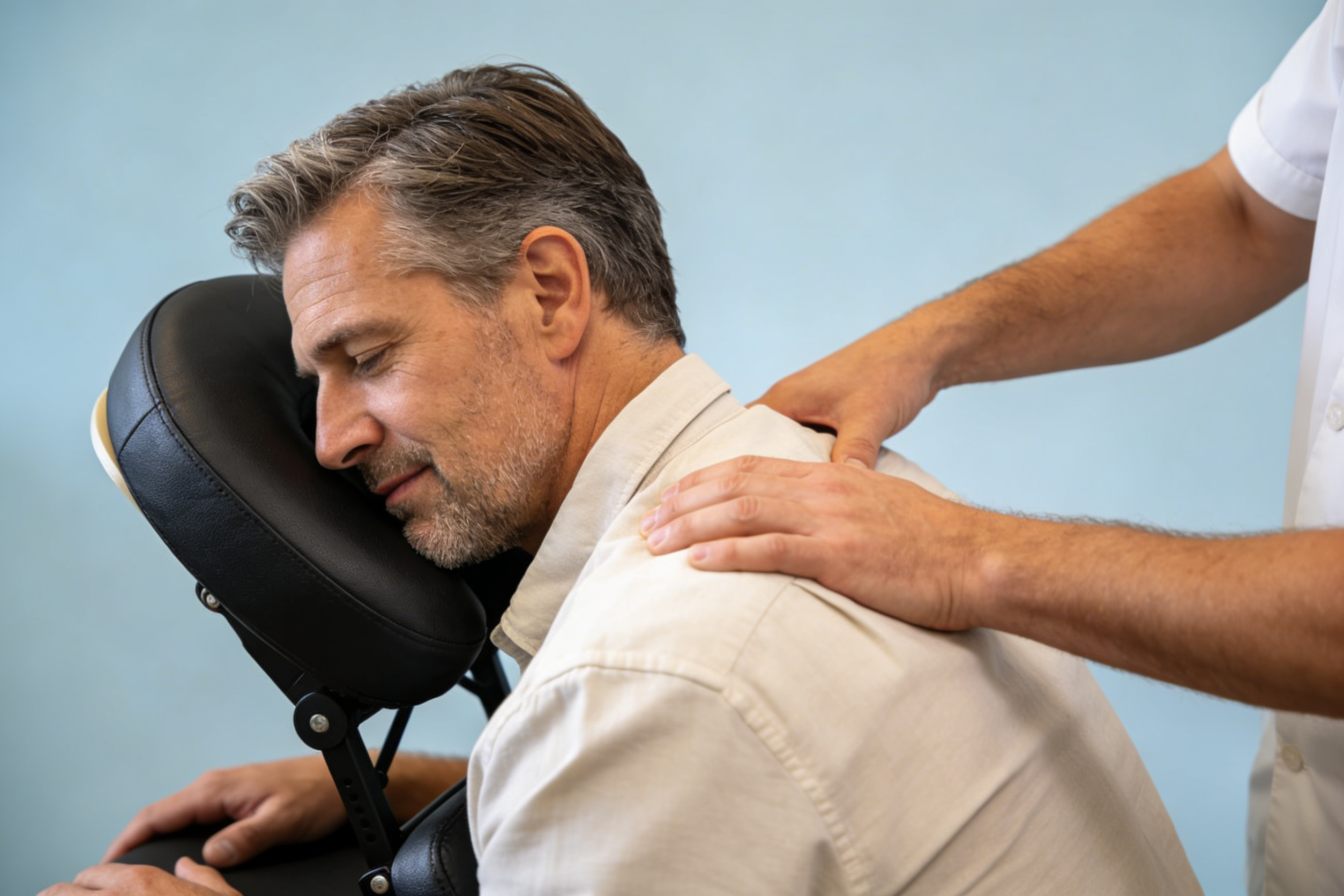
A Complete Guide to Male Health Massage: Seven Techniques for Strengthening the Body
This article systematically introduces seven major massage techniques for men's health, covering techniques such as stroking, kneading, and pushing. It is an essential read for men's health, and scientific techniques can help men maintain their health, improve sexual function, and enhance overall well-being.
2026-03-24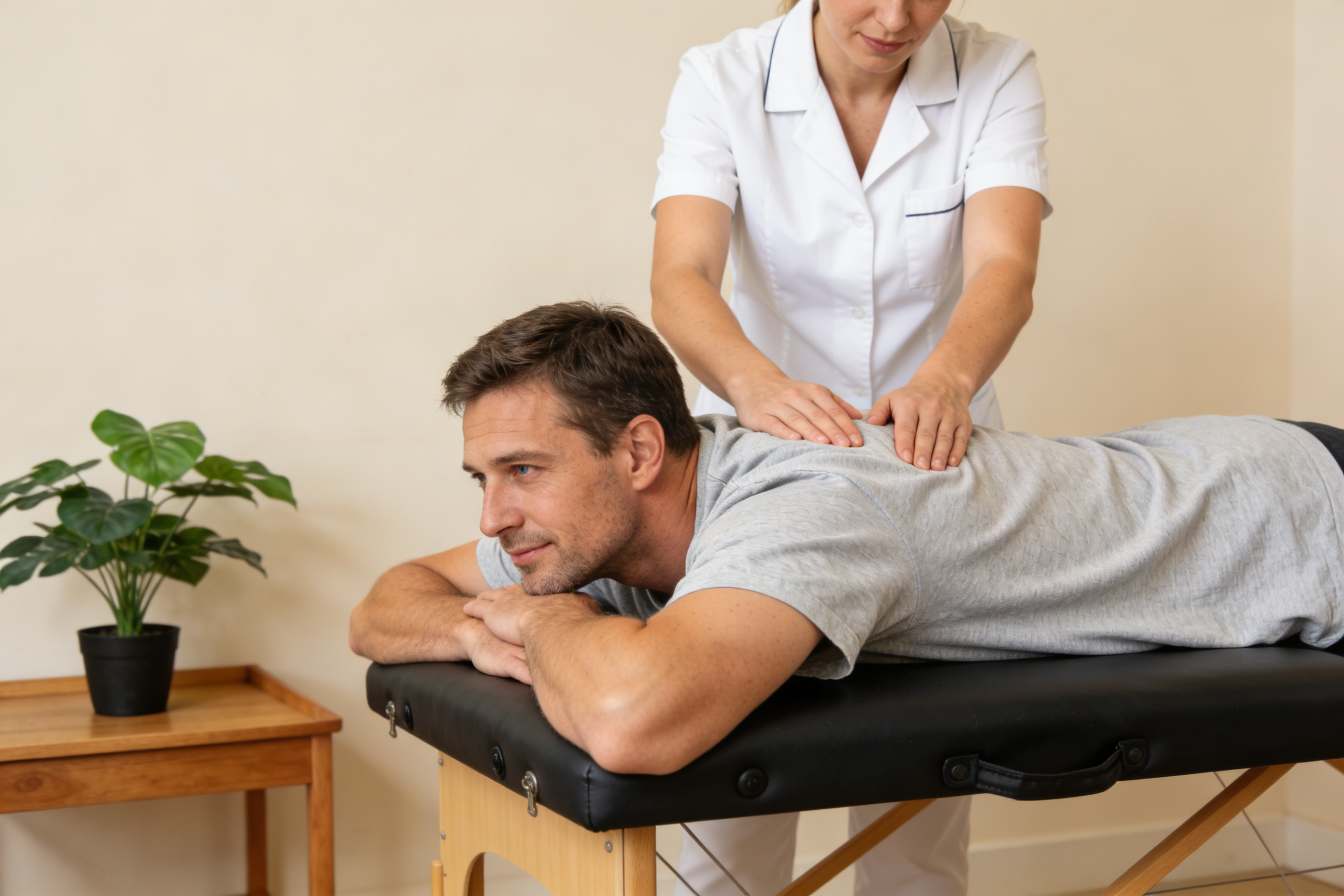
A Comprehensive Guide to Male Health Massage Techniques: Seven Techniques for Body and Mind Regulation
This article details seven massage techniques for men's health, including stroking, rubbing, kneading, and pressing, using scientific methods to support men's health. Through men's health massage, sexual function can be improved, fatigue relieved, and blood and qi regulated.
2026-03-24
Harmonious Sex Life and Marital Quality: Exploring the Evolution of Sexual Culture and Men's Health
Sexual activity is central to maintaining marital quality. This article delves into how a harmonious sex life can enhance marital harmony and alleviate conflict, while also tracing the historical evolution from primitive sex worship to feudal sexual repression. Focusing on men's health and sexual psychology is key to achieving a happy family. Prioritizing men's health and fostering scientific sexual understanding can contribute to a lasting marriage.
2026-03-24